
versión en español aquí
“We do not seek international solidarity in the abstract and impersonal, but rather, we build the solidarity of peoples on a global level”
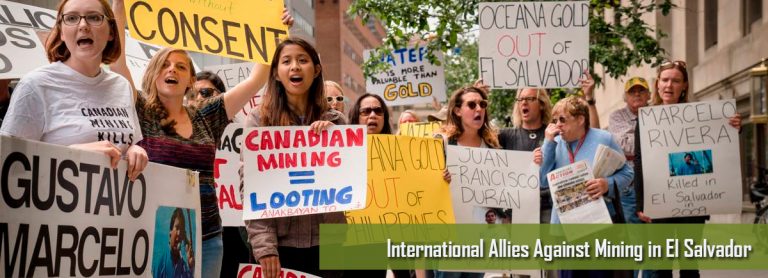
TerraJusta launched as a new organisation in April 2020. The small team – from Bolivia, Ireland and the UK – worked together on climate-related issues for many years as part of The Democracy Center. A key aim in creating TerraJusta was to build more possibilities for long term solidarity campaigning, in dialogue with communities impacted by extractivism – by the social and environmental degradation related to the extraction of raw materials in the global South, which generates profits and drives economic growth and consumption mainly in the global North. Over several years the team members have maintained a constant dialogue about coloniality, privilege, power and the limits and possibilities of acting in solidarity, and the position from which you seek to do that as a nonprofit organisation with team members doing funded work. In 2019 Leny Olivera Rojas – now Director of TerraJusta – travelled to El Salvador for a meeting of mining-impacted communities. There she met with and interviewed Vidalina Morales, who was heavily involved in the twenty-year struggle to ban metals mining in El Salvador. In February 2021 Leny recorded a discussion with Bolivian colleagues Aldo Orellana Lopez and Elizabeth López Canelas to discuss perspectives on solidarity work and the considerations to bear in mind when offering support on an uneven playing field of power and privilege. We share thoughts from both those conversations here.What is solidarity?
Have we understood the context?
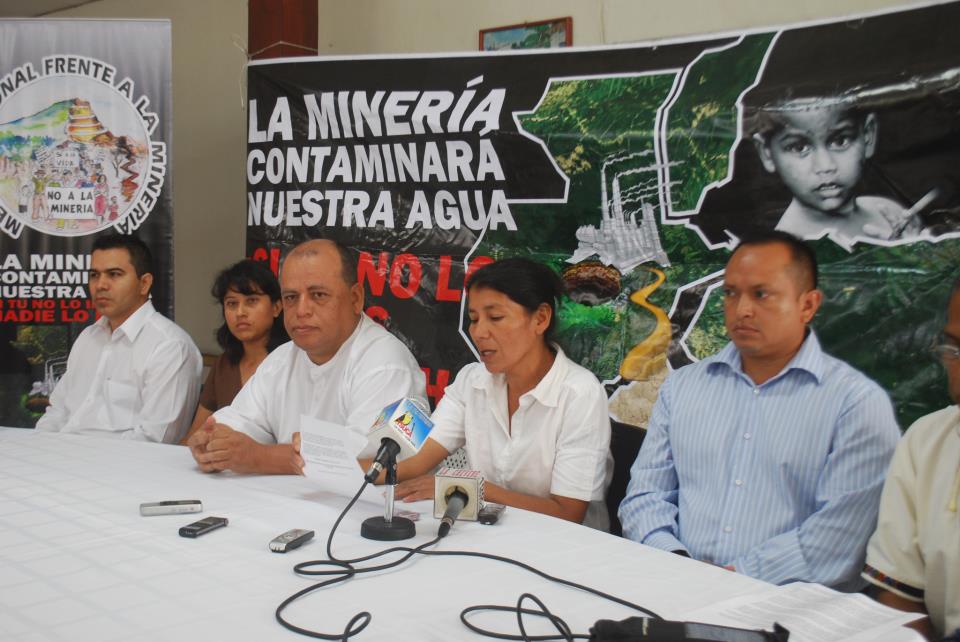
The El Salvador story – Vidalina: “There have been cases here in Latin America of colleagues being prosecuted, criminalised. What is hoped for from international solidarity – and there have been some cases of this – is that if the person who feels threatened thinks it better to leave the country for a while, that there are people who can welcome them and accompany them in that. Defenders need each other alive. We want each other alive.” Elizabeth: To fight against extractivism is to make ourselves aware of colonial power structures. Not in the sense of guilt or punishment, but of the reparation of rights. Solidarity that doesn’t question hegemonic systems of power and the violation of rights is nothing more than good deeds. To confront extractivism is to make a concrete, political stake – and we need to learn to politicise the everyday in this way. Leny: There’s a risk we end up taking actions without questioning the underlying problems of capitalism and colonialism. In the end solidarity has to do, in reality, with addressing historical debt – so it is a process of repairing damages. It’s important that we know the social, historical and political trajectory of the contexts in which we can intervene in some way, and based on this we can identify the needs, the demands which coincide with our own political position – and look for funds to accompany those processes. Elizabeth: Solidarity is not an act of beneficence. It’s a highly political act, of questioning a situation of inequity. And reflecting on our own privilege in order that we can take more concrete action, while recognising that this is not out of shame but that these processes have been configured historically. From there erupts the possibility of making a change. The discourse and actions around climate change have not managed to be really appropriated by people. All these official events discuss issues that must be addressed by “experts”, where those from the South – normally indigenous leaders – get turned into a symbol of “folklorized hope”. The discourse should be changed and a serious link to the extractive matrices should be made. Hegemonic policies of development are what sustains these levels of violence in the global South with extractive companies. In this sense, the issue of water should be the priority, linked to the interdependence of ecosystems. This, for example, is a strong aspect from which to engage in solidarity coming from the peoples.Who has power and who benefits?
Final thoughts?
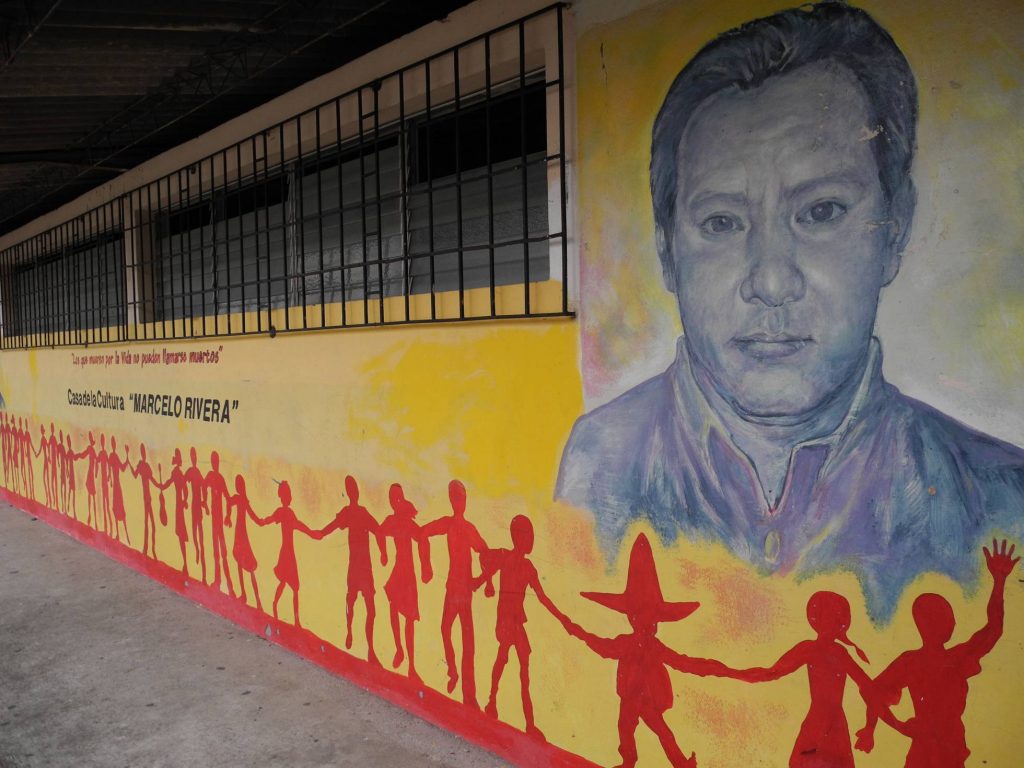
Vidalina: “It was 12 years of struggle and 12 years in which there was violence, criminalization and there were murders. And well, in the end we reached our goal. It has been two years since this legal framework was approved. The movement has not been broken, we are there on the battlefield. Our organisations continue to be the fundamental base to confront whatever future scenarios come our way*. And well, to the international organisations that want to accompany us [we ask] that it be real, that it be accompaniment based on the same demands as the communities and as allowed by the movements and organisations.” Aldo: TerraJusta is trying to build from the ground up. So we have to recognise where we are at, the role we play, and obviously our limitations. And also the mistakes that can happen. We have to be very attentive to the way that we do things, and to listen. The clarity that organisations in the South have is fundamental. We are in certain networks in the North – what can we really ask of them? And what is the commitment that we can make on both sides to build a joint struggle? That clarity is important, and ourselves as a bridge can play an interesting role there. Elizabeth: We must always put the actors in these processes in the first person: the one who speaks, who denounces, who calls, who does, who informs…it’s the indigenous brother, the peasant, the affected community, the impacted neighbour. We mustn’t get in the way of those voices. In the end we share things with these comrades but we are, as Leny often says, like hinges. Not to appropriate others’ voices is key. And not to romanticise these processes, to be as objective as possible. Not to say “see the people here fighting for nature, who believe in life etc”, when we know that these communities are in a state of permanent tension between the pressures of development and survival. Leny: As TerraJusta we are seeing more and more clearly how to identify priorities according to our vision. We are neither rooted in the territories nor are we based in the global North. But at least the work we are doing responds in some way to these needs on the ground. That’s an important goal, that we are making visible in small ways through this work._______________
*On March 22nd 2021 El Salvador marked four years since the law prohibiting metals mining was approved. The Mesa Nacional Frente a la Minería continues to demand that the law be enforced and that the ban on mining is incorporated into the Constitution. Vidalina spoke at this press conference [in Spanish] on the day, at which the coalition also launched a book on the anti-mining struggle in El Salvador To find out more about TerraJusta see our website, Twitter, Facebook and YouTube.